All therapists know that no client is the same, and in turn, not all therapy approaches work the same. When most people think of therapy, they think of the traditional 'talk therapy' approach—and that can seem jarring to begin at the get-go. However, this feeling of resistance does not always mean unwillingness. Instead, it could signal a mismatch of therapy methods. Some clients may need more interactive or body-based approaches before deeper verbal work can feel possible for them to do comfortably.

Why Traditional Approaches May Not Land
Traditional approaches such as talk-therapy can be deeply valuable, but can also be an intense way to start one's therapy journey. One of the biggest obstacles is getting through that verbal barrier, where clients may not be able to verbalize their feelings or know where to begin. Sitting down and being asked to explain painful emotions, difficult memories, or internal struggles right away can feel overwhelming, especially for someone who does not yet feel safe, regulated, or ready to put those experiences into words. A softer entry point into difficult topics can help reduce pressure, making it easier for clients to stay present rather than shut down.
One of the biggest obstacles is the verbal barrier. Some clients may not know how to describe what they are feeling. Others may understand that something feels wrong, but struggle to name it clearly or talk about it in a way that feels manageable. In those moments, silence, hesitation, or withdrawal should not always be seen as resistance. Often, they reflect a need for a different kind of starting point.
This progress can only truly begin when trust is established. This means therapists meeting the clients where they are, which can entail experiences that feel gentler with a softer entry to hard topics, less clinical environments, and more immediate, tangible sight of progress.
The Implementation of Immersive Tools to Soften the Start
Immersive tools can play an important role when traditional talk-based approaches are not the best first point of connection. Importantly, immersive tools are not a replacement for professional care. They work best when they complement existing wellness practices and support self-management alongside professional care.
Virtual reality paired with real-time biofeedback gives people a way to:
-
interact with their internal state instead of only describing it, giving them an initial separate outlet as opposed to starting with traditional talk-therapy.
-
see how breath, focus, and relaxation influence what happens around them in an immersive environment, rather than viewing stress as something abstract.
-
get immediate feedback that can make the experience feel more intuitive, more motivating, and more approachable.
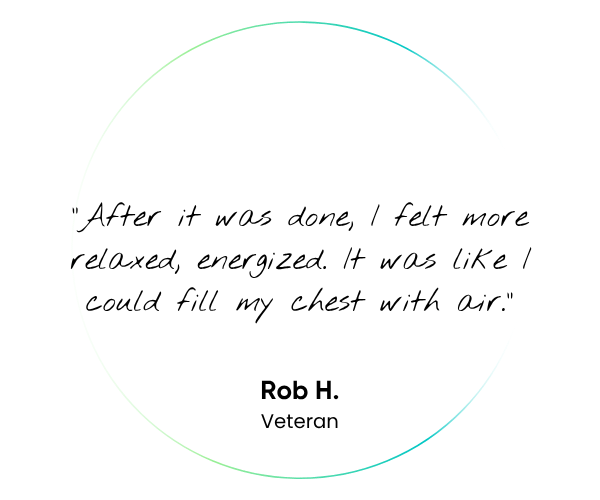
What makes this approach especially compelling is that progress becomes visible. With wearable-driven biofeedback, users are not just being told to relax—they can see their effort reflected in the experience itself.
Why This Matters for Therapists
For providers, immersive tools create another pathway for engagement—especially for individuals who may shut down, lose focus, or struggle with conventional formats. That sense of interaction can make mental wellness work feel less passive and more empowering, while also giving organizations a more measurable way to support regulation over time.
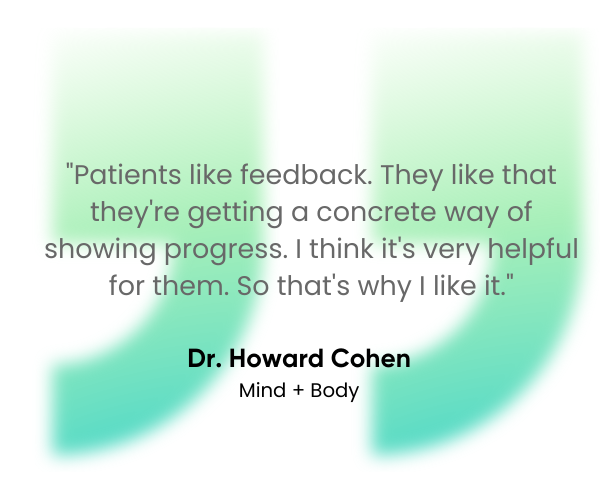
For therapists, that can mean more than just improved participation. It can create a gentler way to build trust, introduce self-regulation skills, and help clients stay present long enough to engage more fully in the process. When clients can see their effort reflected in real time, the work may feel more approachable and less abstract. Used alongside professional care, immersive tools can help therapists meet clients where they are while expanding the ways they support progress.
How Healium Can Provide A Gentler Approach
Healium can provide a gentler approach by giving clients a calm, immersive way to practice relaxation and emotional regulation without requiring them to immediately put everything into words. Through virtual reality and biofeedback, users can engage with their internal state in a way that feels more intuitive, accessible, and supportive. Instead of pushing for verbal processing before someone feels ready, Healium helps create space for self-awareness and self-management through measurable, interactive experiences that complement existing wellness practices and support professional care."
Helping Clients at Their Level
The future of mental healthcare and therapy isn't one-size-fits-all. For clients who haven’t connected with traditional approaches, immersive wellness tools can offer a gentler path forward—one that supports self-awareness, emotional regulation, and stress relief while complementing existing wellness practices and never replacing professional care.