Deciding which services to offer in your clinic is no easy feat. From staff training to billing reimbursement, you may be wondering whether this new service is worth pursuing. Clinicians are always asking, "Is this going to help my patients?" Practitioners want to know how easy it is, and clinic owners want to know, "Is this going to make my clients feel better and bring them back?”
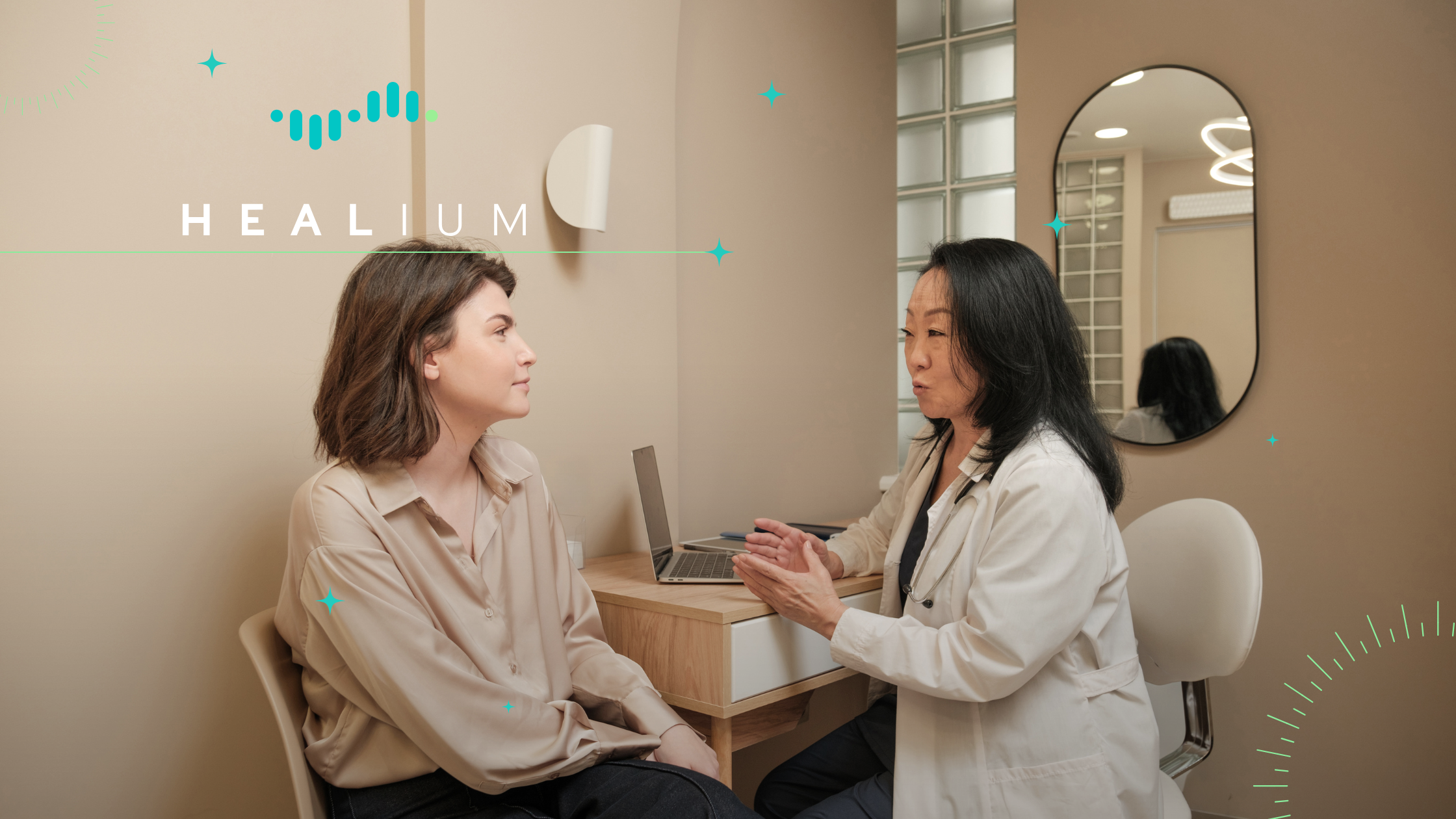
Let’s unpack that last question from a clinic owner: "Is this going to create loyal clients?" We all know that mental wellness isn’t achieved in a single session. Meaningful progress comes from ongoing engagement in care, which is why helping clients stay connected to the therapeutic process is so important—for their well-being and for the sustainability of your practice.
The truth is, while clinicians care about the data, and insurance reimbursement depends on it, most clients don’t walk out of a session remembering their heart rate numbers or the exact breathing script you used. When they talk to friends about their experience or leave a review, it’s usually based on how they felt.
As Maya Angelou famously said, “People will forget what you said, people will forget what you did, but people will never forget how you made them feel.”
The Client ‘Wow’ Factor: What Clients Remember
For clients who feel like their anxiety or stress is something that just happens to them, Healium can be the first time they are able to see those feelings. Watching their aura respond to their heart rate or EEG brainwaves turns coping skills from abstract commands into a visible skill they can practice independently. That sense of control is powerful. Learning that their thoughts have power and how they affect their body is one of the main things clients talk about when describing their experience to others.
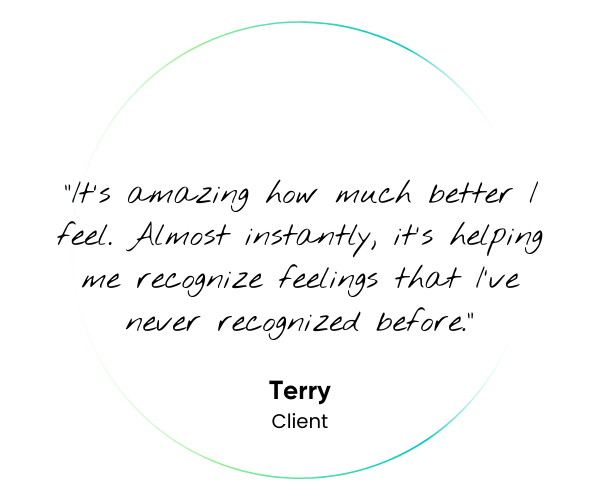
When clients experience Healium, self-regulation feels more approachable to people who don’t believe they can do it on their own. Instead of silently struggling with their thoughts, they’re given something to do: slow the breath, soften the shoulders, focus on the experience around them. What they remember is not just that they felt calmer in your office, but that they learned a repeatable way to get there.
Over time, these memorable moments become anchors you can reference back to. You can say, “Remember how you made the aura change in the experience? Let’s use that same breathing pattern before your next class exam, shift, or difficult conversation.” Biofeedback training helps your clients build a personal narrative around their capacity to self‑regulate—and that story is often what keeps them engaged in care and willing to return.
Measurable Progress: What Clients Say and Feel
Incorporating biofeedback training into your practice doesn’t just change what happens in a session—it also affects how clients feel about the session afterward. When you make results visible and skills transferable, satisfaction becomes easier to measure —not just to guess at.
Patients tend to appreciate two simple things:
- A moment to finally breathe. It's not often we are forced to relax. Distractions surround us everywhere. In VR, there are no distractions. You are completely surrounded by a calming, fully immersive environment.
- Skills they can take home. When biofeedback is paired with a specific breathing pattern or grounding technique, patients leave with more than a one‑time moment of relief. They leave with a practiced skill they can use before bed, between work shifts, or before a triggering event—anchored to what they already felt helped in your session with them.
The point is: your clients can see the difference.
On the clinic side, you can turn these impressions into data with very simple post-session questions, such as:
- “How helpful was today’s biofeedback for you?”
- “After this session, do you feel a bit more confident handling your stress?”
Even using a 1–5 scale for these questions can give you a quick read on whether clients are finding value in the biofeedback component of their visit. Over a few weeks or months, those answers will begin to reveal patterns—such as which biofeedback approaches patients prefer most, which patient groups benefit most, and how often people leave feeling more capable than when they arrived.
Seeing is Believing
That combination of visible before-and-after change and self‑reported confidence is a strong indicator that biofeedback is helping your client become more self-aware of their ability to regulate their stress.
Healium’s real power isn’t in the numbers on a screen, but instead in the story clients begin to tell themselves about what they can do. In the end, what sticks—and what helps influence clients to return—is simple but profound: “When I do this, I feel better…and I can prove it to myself: my thoughts have power.”