VA clinicians are asked to support Veterans facing PTSD, chronic pain, insomnia, and anxiety—while minimizing medications and working within tight time constraints.
Healium offers a different approach: an immersive, drug-free tool that combines virtual reality with real-time biofeedback, helping Veterans see and better understand their stress response in just minutes.
PTSD‑Sensitive Design for Trauma‑Exposed Veterans
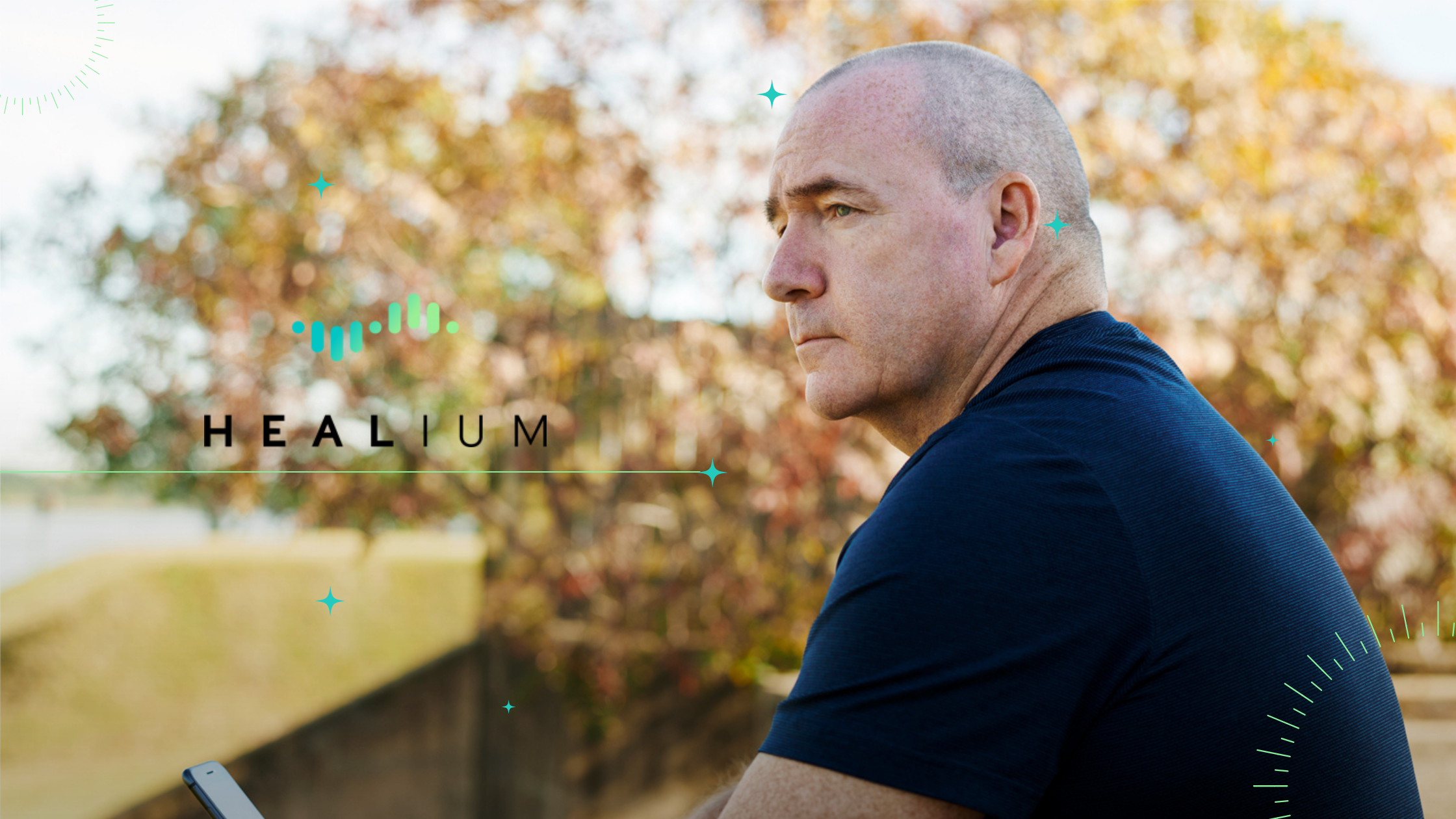
Many veterans who walk into VA clinics carry invisible wounds—hypervigilance, intrusive memories, and nervous systems that are always “on.” Any new technology has to be carefully evaluated through a trauma‑sensitive lens. Healium was built with that reality in mind.
Gentle, non‑triggering environments
Healium’s VR experiences prioritize:
- Calm, predictable landscapes rather than high‑intensity, fast‑moving scenes
- Soft color palettes and slow transitions that avoid sensory overload
- Guided audio that is supportive, not directive—inviting veterans to notice, not forcing them to “relax on command”
The goal of this PTSD‑aware approach is to help veterans feel safe trying VR, even if they’ve avoided similar tools in the past.
Control stays with the veteran
Control is critical for trauma‑exposed individuals. With Healium:
-
Sessions can be kept very short (down to 4 minutes) and stopped at any time.
- Veterans can choose to keep audio on or off, use or skip certain environments, and take breaks as needed.
- Users also have the choice of guided and non-guided meditations to suit their wind-down routines.
By allowing veterans to opt in and out, Healium becomes a tool for empowerment.
Seeing their own nervous system in real time
When paired with wearables (like heart‑rate sensors or EEG headbands), Healium lets veterans watch elements in the VR scene that represent changes in their physiology.
This transforms regulation from an abstract idea—“you should calm down”—into a concrete, visual experience. Veterans can literally see that their actions (breathing, grounding skills, shifting attention) are changing their internal state. Read more on "How Healium Works" here.
Chronic Pain and Sleep‑Related Stress
Chronic pain and sleep disturbances are two of the most common and debilitating complaints among veterans. Both are closely linked to nervous system dysregulation. VAs are using Healium to give veterans another path to relief.
Chronic pain: shifting the brain’s focus
While Healium is not a replacement for medical pain management, it can play a key role in:
- Reducing the emotional “volume” of pain by guiding attention into immersive, calming scenes
- Teaching self‑regulation skills that help veterans notice when tension and catastrophic thoughts are increasing their pain experience
- Offering brief, repeatable tools they can use to self-manage before or after pain flare‑ups
For example, a chronic pain clinic might:
- Offer a 5–10 minute Healium session before a pain education class, so veterans arrive more settled.
- Use specific experiences that encourage purposeful breathing techniques to help focus on something besides the pain
- Encourage veterans to use Healium during particularly difficult days, as an immediate coping strategy that doesn’t require a prescription.
Over time, many veterans begin to associate these immersive sessions with a sense of agency: “I may not be able to make the discomfort disappear, but I can support how my body moves through it.”
Sleep‑related stress and insomnia
Difficulty falling or staying asleep is often driven less by “not being tired” and more by a nervous system that won’t downshift. VAs are integrating Healium into sleep‑support protocols to assist in this nighttime downshift.
A typical approach might look like:
- Evening protocol: Veterans use a 5–8 minute low‑stimulus Healium experience with gentle visuals and audio focused on exhale‑lengthening breaths.
- Sleep hygiene bundle: Healium is offered alongside traditional sleep routines like limiting screens, caffeine, etc., as an “immersive reset”. Note: VR goggles come with blue light filters.
- Tracking changes over time: Veterans and clinicians can monitor patterns in self‑reported sleep quality or stress ratings alongside their Healium usage.
Healium also provides sleep-specific experiences that are clinically validated in multiple peer-reviewed journals.
Pre‑Operative Anxiety and Procedural Support
Facing a surgery or invasive procedure is stressful for anyone—especially veterans with a history of trauma, hospitalizations, or previous negative experiences. Many VAs are searching for ways to calm patients before they reach the operating room (OR), without adding to their medication load.
A calmer lead‑up to procedures
Healium can be used in:
- Pre‑op waiting areas, where veterans often sit with rising anxiety.
- Pre‑procedure rooms, when clinically appropriate and time allows.
- Recovery or step‑down spaces as part of post‑procedure stabilization and grounding.
Benefits for both veterans and staff
For veterans:
- A concrete tool to channel anxious energy while waiting, as well as one they can use at home.
- A sense that the team recognizes and respects their emotional experience, not just their physical condition.
For staff:
- Potentially smoother pre‑op workflows, with fewer last‑minute escalations or panic reactions.
- A standardized protocol they can offer consistently, instead of trying to improvise verbal reassurance with every patient.
Healium doesn’t replace clinical protocols or sedatives when needed—but it often becomes the “first step” in a layered anxiety‑management plan. See how Mayo Clinic implemented VR into pre-op to help regulate stress levels.
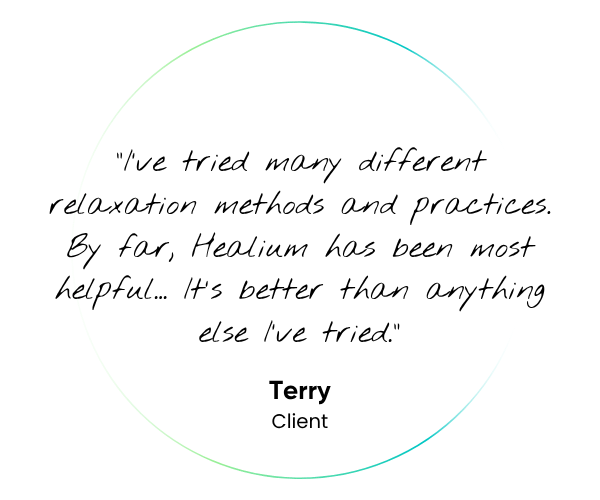
Read more about Terry's experience with using Healium as a veteran, and how the technology supported him in his transition from military to civilian life.
Addressing Common Questions and Concerns from VAs
Whenever a VA considers introducing a new technology, valid questions follow. Here are some of the most common concerns VA teams raise about Healium—and how they’re being addressed.
“Will this overwhelm or trigger our veterans?”
PTSD‑sensitive design is baked into Healium’s content. Experiences are gentle and predictable with no sudden loud noises or chaotic motion. Sessions are short and fully optional, and veterans can remove the headset at any sign of discomfort.
Staff can start with brief, supervised trials in a safe environment and gather feedback before expanding access. In practice, many veterans report that the ability to exit at any time—and the focus on calming imagery—helps them feel more secure trying VR than they expected.
“Is this going to add more work for our staff?”
Most VA programs start small and simple:
- One or two pilot areas (e.g., PTSD clinic, Whole Health room, or pre‑op area).
- A handful of trained staff members—often a clinician, a Whole Health coordinator, and a tech‑savvy nurse or peer specialist.
- Clear, straightforward protocols, such as:
- “5 minutes before sessions”
- “One short experience during group class”
- “3–5 minutes in pre‑op waiting”
Healium is designed to be easy to set up and repeat, with minimal training needed. Once routines are in place, staff often find it reduces, rather than increases, their workload—because veterans arrive calmer and more ready to engage.
Bringing It All Together
For clinicians and program leaders, Healium offers a scalable, non‑pharmacological tool that can be woven into existing workflows rather than replacing them. If your VA is exploring new ways to support veterans with PTSD, chronic pain, insomnia, or pre‑op anxiety, Healium can be a powerful addition to your toolbox—one that meets veterans where they are today, in an engaging, measurable, and deeply human way.